Agent Isolation
Why the Host Kernel Is Your Biggest Agent Security Liability and How Micro-VMs Fix It
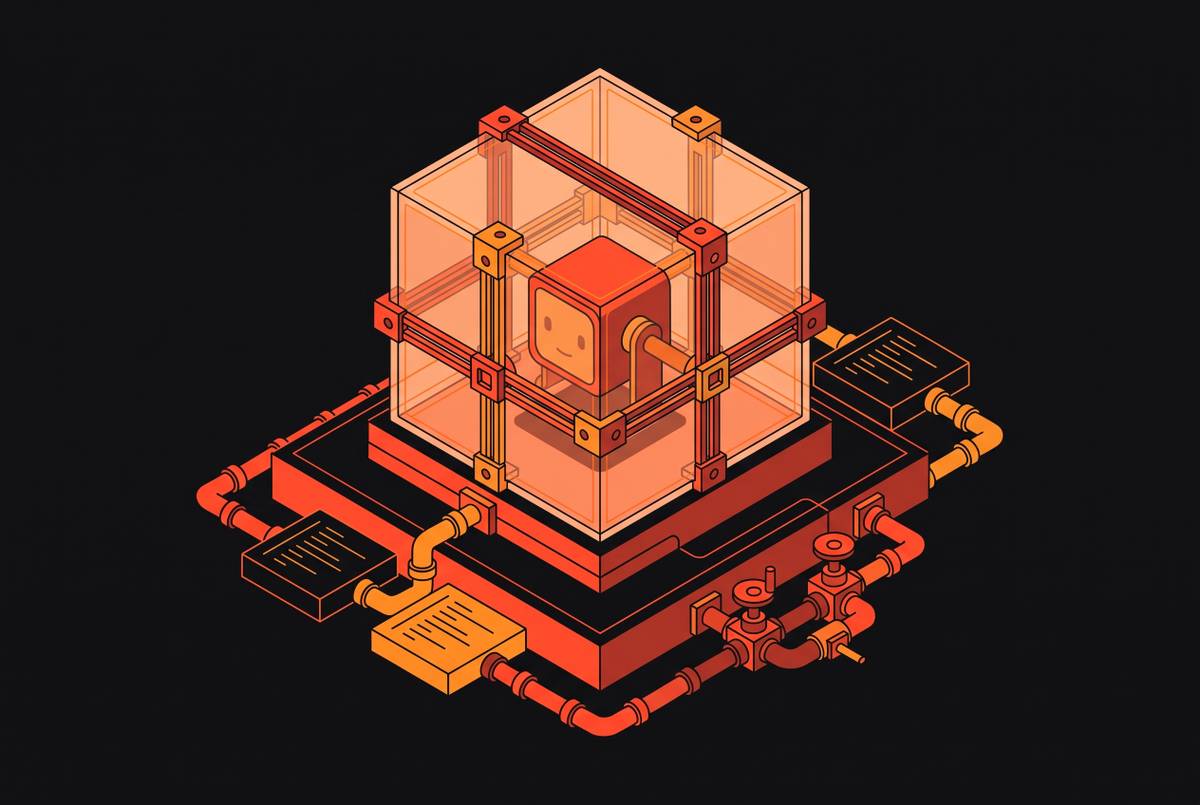
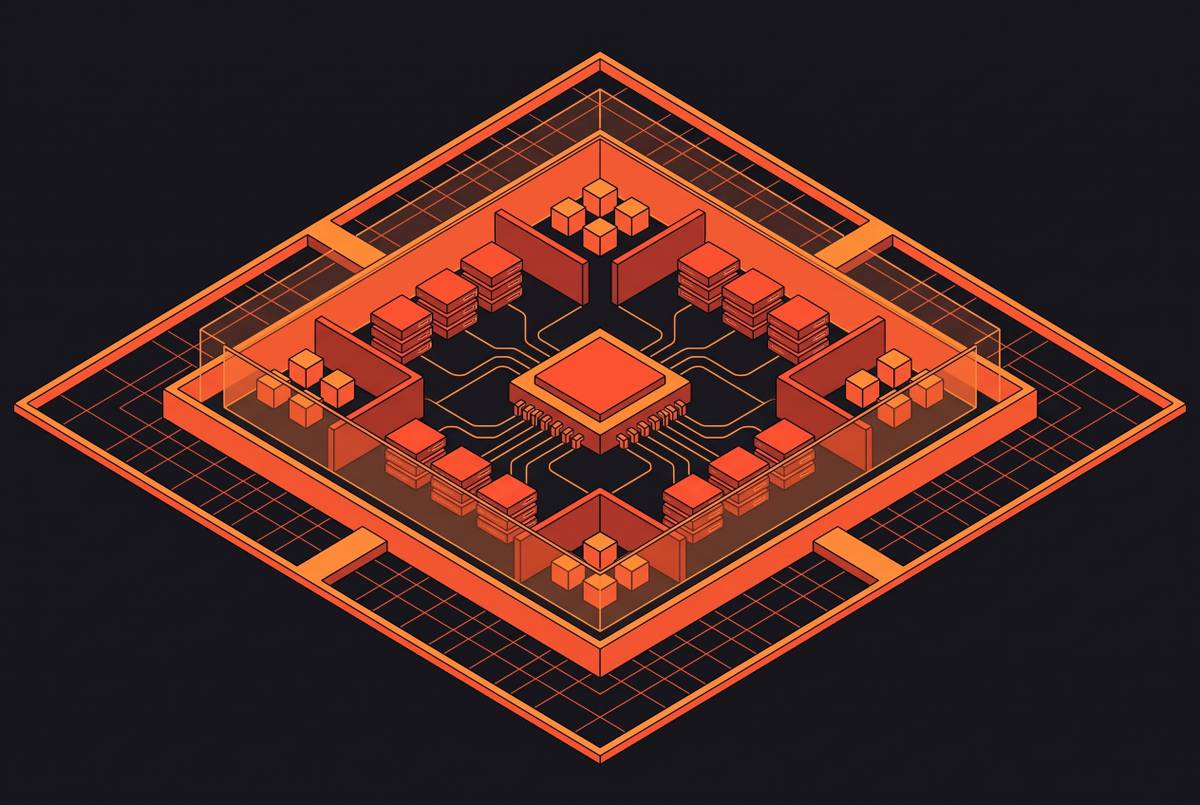
Separate guest kernels stop LLM-generated code from reaching your host infrastructure.
Céleste Mouamba
· 8 min read
Separate guest kernels stop LLM-generated code from reaching your host infrastructure.
Ranking isolation methods by how much damage a compromised AI agent can actually cause.
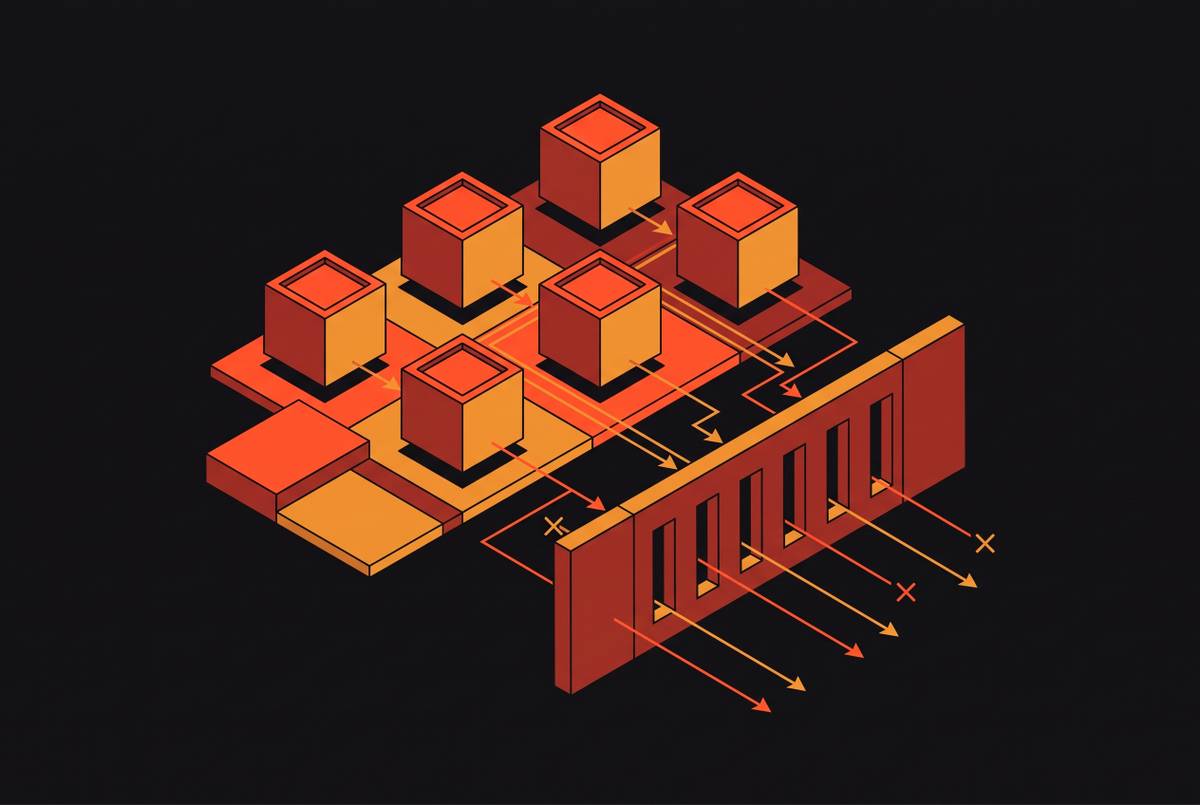
DNS and IP filtering must work together to prevent sandboxed agents from exfiltrating data.
Host-side isolation logs what agents do without trusting their own records.
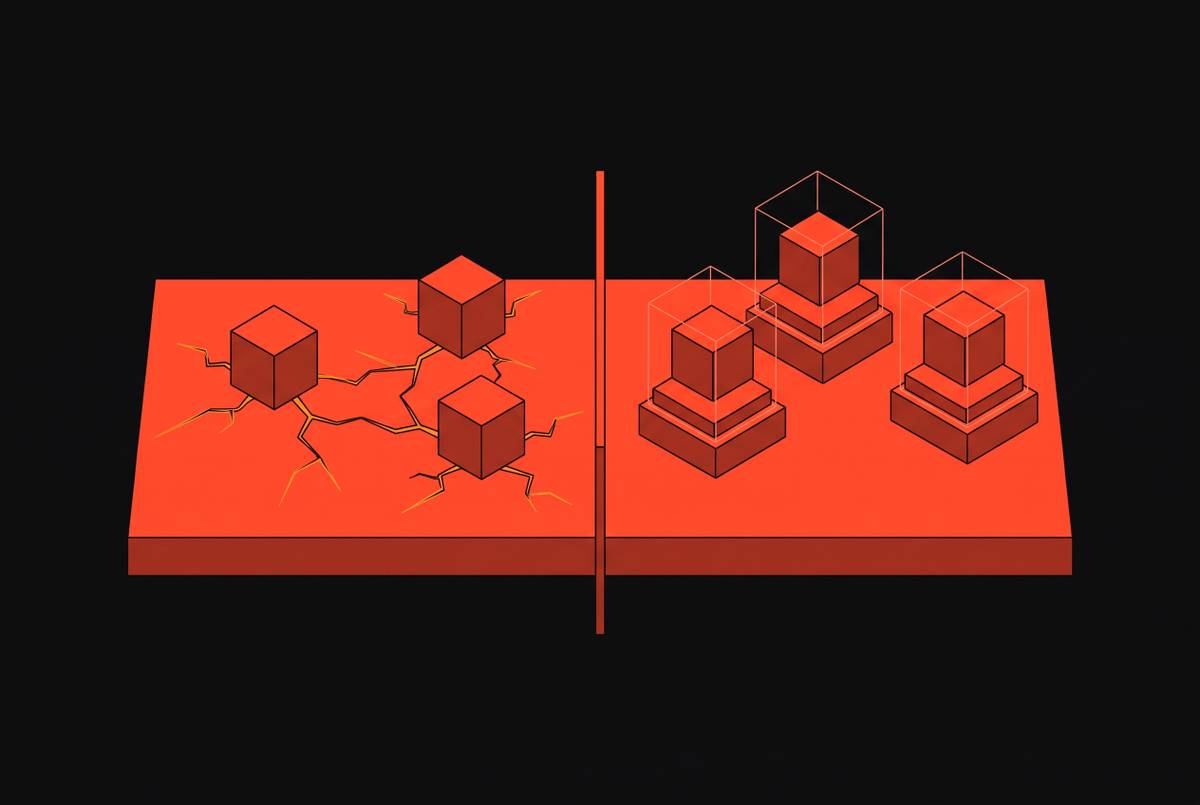
Separating filesystem storage from compute lifecycle prevents agent work from vanishing on restart.
How production AI agent runtimes enforce isolation and reliability through harness design.
Isolating agents requires per-VM credentials kept outside the process environment.
Poisoned messages between agents can trigger cascading failures across isolated systems.
Persistent micro-VMs let coding agents accumulate work across hours without resetting.
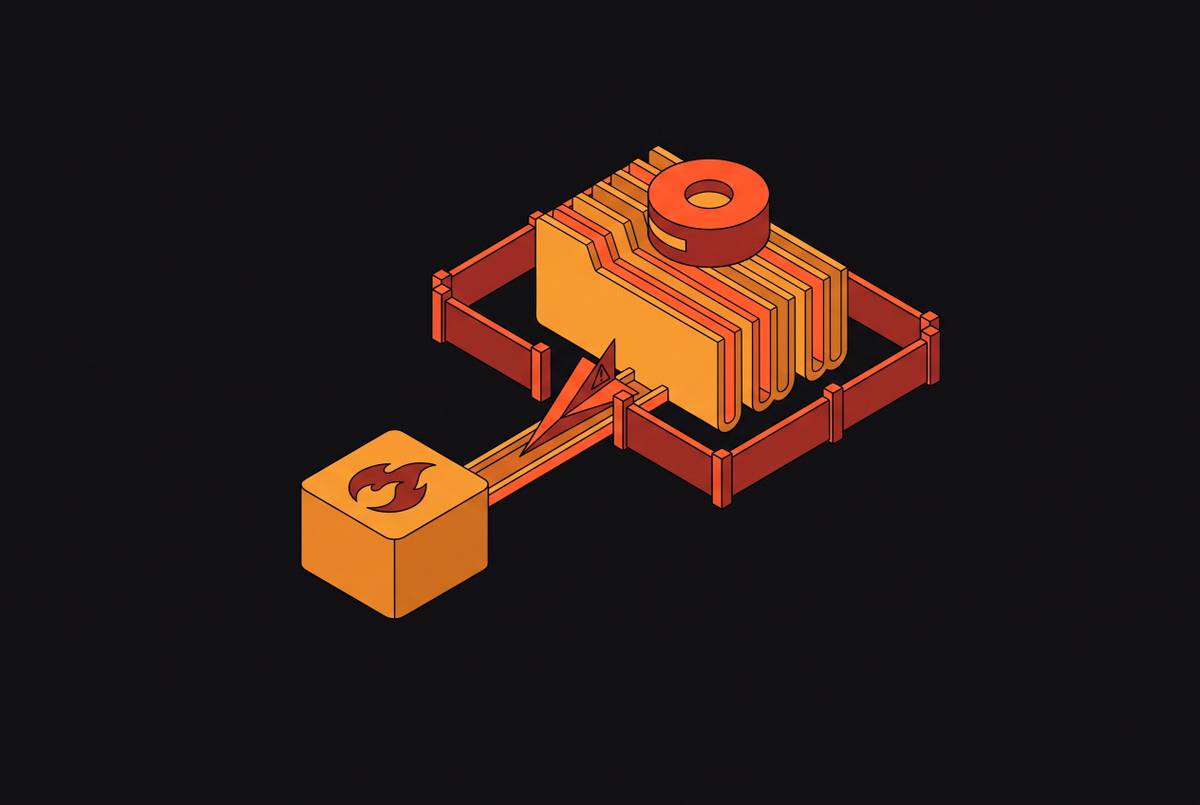
Firecracker micro-VMs offer VM-level isolation for untrusted AI-generated code.
Prompt-injected agents need egress controls more than compute sandboxing.
Agents with file access turn prompt injection into remote code execution.